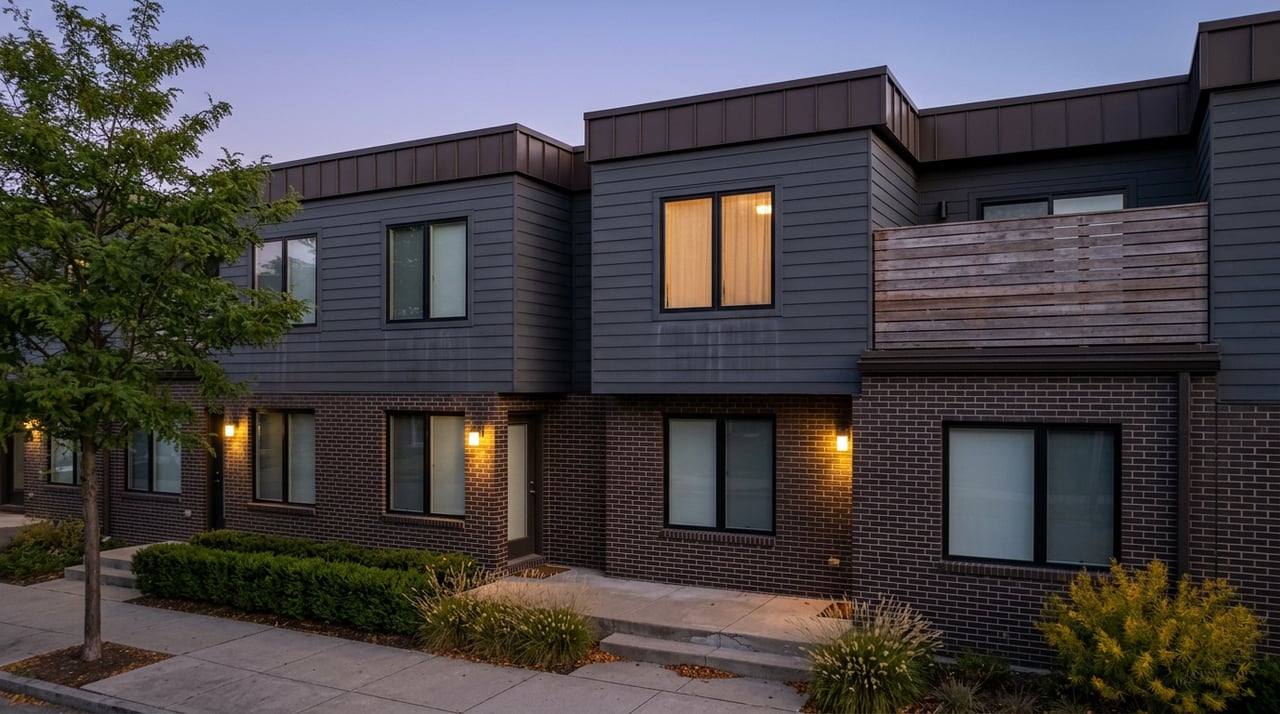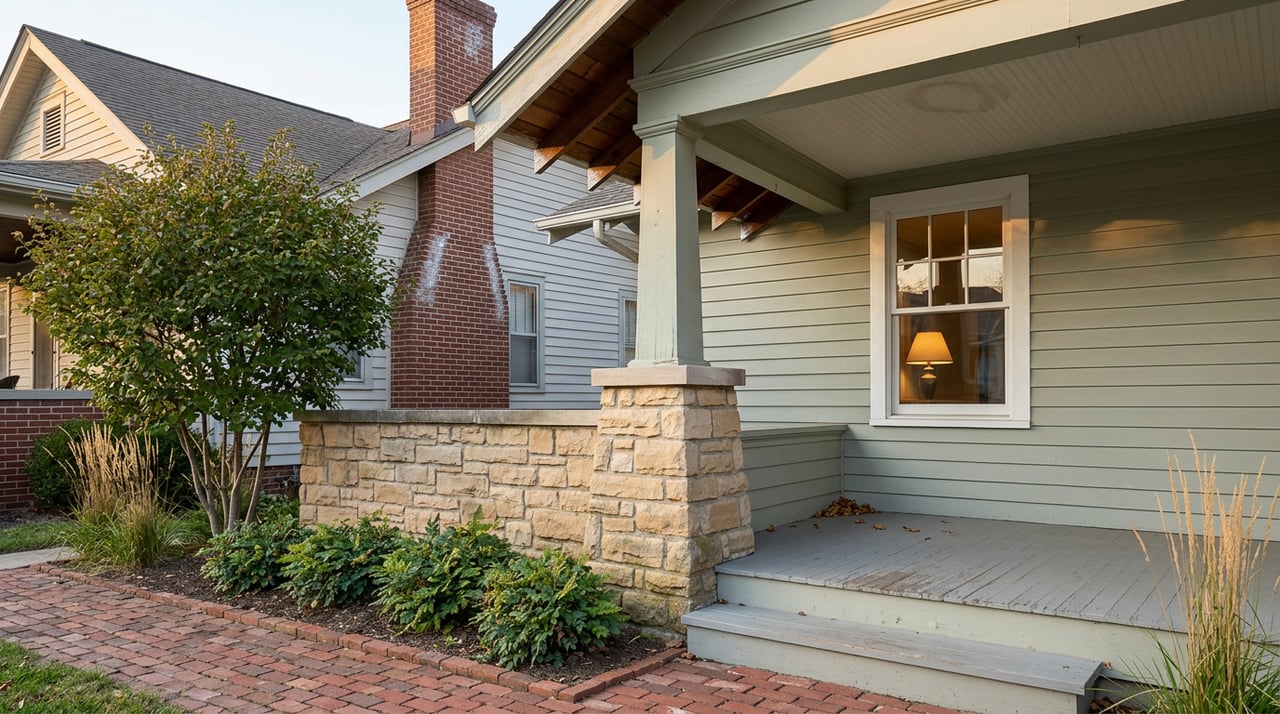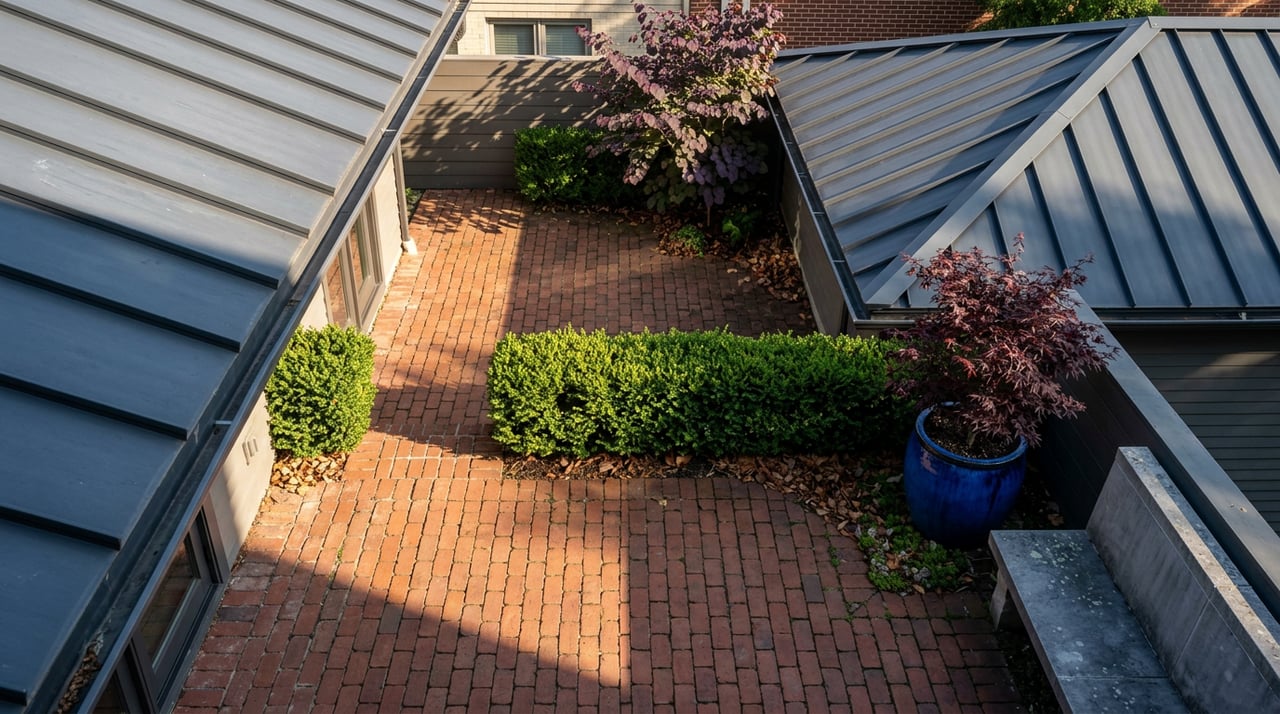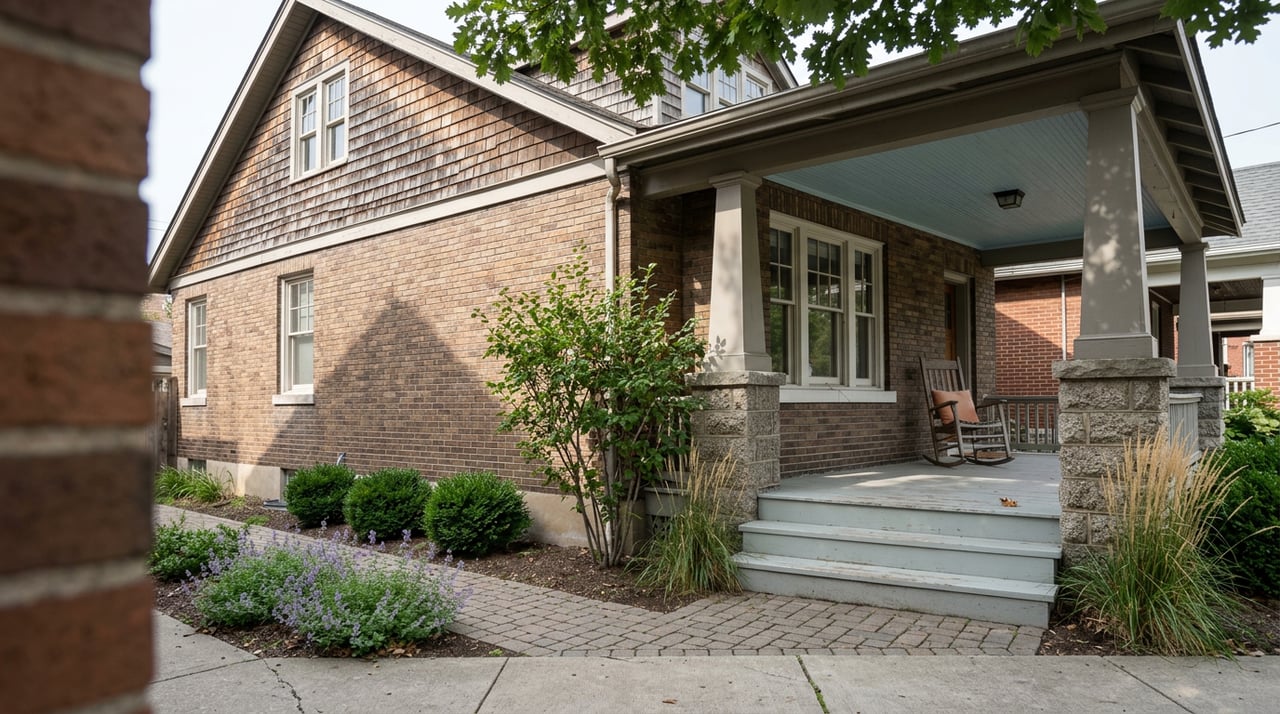
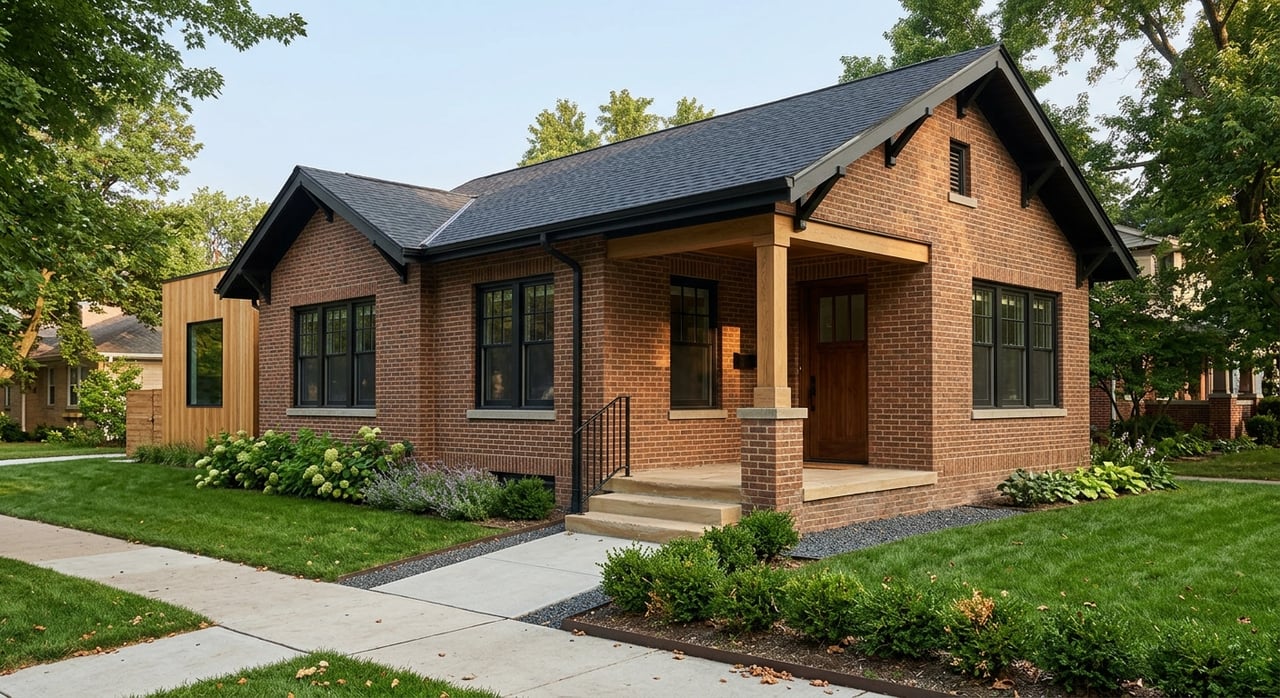
Trying to choose between West Highland and Berkeley? If you are searching for a Denver neighborhood that fits your daily routine, housing style, and long-term goals, this comparison can help you narrow it down. Both areas offer walkable pockets, strong park access, and a distinct sense of place, but they live differently once you look closer. Let’s break down what sets them apart so you can decide which Denver fit feels right for you.
West Highland vs Berkeley at a Glance
If you want the short version, West Highland often appeals to buyers looking for a more preservation-oriented feel, access to Sloan’s Lake, and a compact commercial core around 32nd Avenue. Berkeley often fits buyers who want Tennyson Street as their daily main street, strong lake and trail access, and a neighborhood pattern shaped by a streetcar-era corridor.
That difference shows up in the housing stock, the way each commercial area functions, and how you might move through the neighborhood day to day.
Housing Style and Neighborhood Character
West Highland feels more preservation-focused
West Highland stands out for its connection to several nearby historic districts and design contexts. According to Denver’s historic district inventory, the area includes or borders districts such as Potter Highlands, Wolff Place, Old Highland Business, and West 28th Avenue.
Those designations help explain why the neighborhood often feels cohesive block to block. Denver describes Potter Highlands as having Queen Anne and Craftsman Bungalow homes, sandstone sidewalks, and consistent front setbacks, while Wolff Place includes Queen Anne, Classic Cottage, Craftsman Bungalow, and Denver Square homes on a variety of lots.
If you are drawn to older architecture, established streetscapes, and a setting where design context matters, West Highland may feel like the stronger match.
Berkeley reflects a streetcar-corridor history
Berkeley also has deep roots, but its housing story reads a little differently. Denver’s 4450 Tennyson staff report ties the neighborhood’s development to Berkeley Farm and the Denver & Berkeley Park Rapid Transit Company, which helped drive residential growth.
That same report describes Tennyson as a corridor shaped by commercial, civic, entertainment, educational, and residential uses. It also documents the neighborhood’s alley-house history and notes that many early structures along the corridor did not survive, which points to a more visibly evolving main-street environment.
In practical terms, Berkeley may feel like a better fit if you like a mix of older homes, smaller historic structures, and a corridor where change is more visible along the commercial spine.
Walkability and Daily Convenience
West Highland centers on 32nd Avenue
West Highland’s everyday convenience is closely tied to the 32nd Avenue area and surrounding blocks. The city’s West Highland parking management plan maps active curbside demand around 32nd Avenue, Lowell Boulevard, Meade Street, Osceola Street, Newton Street, Perry Street, and Speer Boulevard.
That kind of parking management usually signals a commercial area that people use often for short trips, dining, and errands. The same planning materials describe West 32nd Avenue and West 38th Avenue as streetcar-era neighborhood business districts within northwest Denver, with nearly 300 retail stores and restaurants in the broader area and more than 90% identified as small local businesses.
For you as a buyer, that can translate into a neighborhood where it feels easy to step out for coffee, dinner, or a quick stop close to home.
Berkeley revolves around Tennyson Street
Berkeley’s commercial identity is more directly tied to Tennyson Street. The city’s Tennyson Street curbside access plan includes time-limited parking, loading-only spaces, passenger loading, bike corrals, bus stops, and a residential permit boundary tied to Tennyson between West 38th and West 46th avenues.
That kind of curb setup usually reflects a corridor with active foot traffic and a mix of visitor and resident use throughout the day. If you want a neighborhood with a clearly defined main street and a daily routine that revolves around one strong commercial corridor, Berkeley may check that box more clearly.
Parks and Outdoor Routine
West Highland offers Sloan’s Lake access
For many buyers, park access is a deciding factor, and West Highland has a strong advantage if Sloan’s Lake is high on your list. Denver’s Highland Recreation Center page notes that the center is in West Highlands and sits just north of Sloan’s Lake Park.
The recreation center includes cardio and weight rooms, a billiard room, classrooms, and clubs. Combined with the city’s ongoing investment in Sloan’s Lake Park, that gives West Highland a strong everyday park-and-recreation anchor.
If you want a larger park presence paired with indoor recreation support nearby, West Highland may feel especially convenient.
Berkeley is lake- and trail-oriented
Berkeley’s outdoor setup is spread across several useful amenities. Denver’s trails and park resources list Berkeley Lake Park’s 1.0-mile loop trail and note lighted tennis courts at the park.
The city also describes Rocky Mountain Lake Park at Lowell and 46th as a nearly 23-acre lake with an asphalt multi-use trail and established tree canopy. In addition, Denver lists Berkeley Dog Park at West 46th Avenue and Sheridan.
That combination can make Berkeley feel well suited for buyers who want parks woven into everyday movement, whether that means walking a loop, using trail access, or heading to a nearby park with a dog.
Transportation, Parking, and Street Activity
West Highland activity clusters near the core
West Highland shows the kind of city attention you often see in neighborhoods with active local demand. Denver’s access plans and parking outreach pages list West Highland curb and parking management, sidewalk repairs on West 29th Avenue between Tennyson and Perry, and alley repairs within a nearby bounded area.
That suggests a neighborhood where pedestrian comfort, alley function, and parking are recurring priorities, especially close to the busiest commercial blocks. If you value a lively core but want that activity somewhat concentrated, West Highland may feel more organized around specific pockets.
Berkeley shows broader corridor movement
Berkeley also appears in several current mobility and sidewalk efforts. Denver’s Sidewalk Program page identifies a Berkeley neighborhood area roughly bounded by West 38th and West 44th avenues, Sheridan Boulevard, and Tennyson Street, and it also references sidewalk and ADA repairs between Lowell Boulevard and Green Court from West 44th Avenue to Denver Place.
The city also has an active bikeway project for North Lowell Boulevard and Meade Street in Berkeley and Regis from West 46th to West 52nd avenues. Together, those projects point to a neighborhood where collector streets and corridor movement play a bigger role in the daily experience.
Which Neighborhood Might Fit You Best?
Choosing between West Highland and Berkeley often comes down to how you want to live, not just what you want to buy.
West Highland may fit you if you want:
- A more preservation-oriented housing environment
- Strong access to Sloan’s Lake and the Highland Recreation Center
- A compact commercial rhythm centered around 32nd Avenue
- Older architectural character and cohesive historic context
Berkeley may fit you if you want:
- Tennyson Street as your main commercial corridor
- A neighborhood shaped by streetcar-era development
- Easy access to Berkeley Lake Park, Rocky Mountain Lake Park, and trails
- A housing mix that feels more visibly connected to an evolving corridor
Neither neighborhood is better across the board. The better choice is the one that supports your version of convenience, character, and outdoor routine.
A Smart Way to Compare in Person
If you are serious about either area, it helps to compare them the way you would actually live in them. Visit at different times of day, walk the main commercial streets, and pay attention to where activity concentrates.
You may also want to notice the housing rhythm from block to block. In West Highland, look at how the streetscape and older architecture feel together. In Berkeley, pay attention to how Tennyson functions as a main street and how nearby parks and trails shape the neighborhood’s flow.
When you are buying in Denver, these small differences often matter more than the neighborhood name alone.
If you want help comparing West Highland and Berkeley based on your budget, lifestyle, and must-haves, connecting with Lauren Basford can give you a clearer, more personalized read on which area fits your move.
FAQs
What is the main difference between West Highland and Berkeley in Denver?
- West Highland generally feels more preservation-oriented with a compact commercial core around 32nd Avenue, while Berkeley is more clearly centered on Tennyson Street and a streetcar-corridor pattern.
Which neighborhood has better park access: West Highland or Berkeley?
- West Highland is closely tied to Sloan’s Lake and the Highland Recreation Center, while Berkeley offers access to Berkeley Lake Park, Rocky Mountain Lake Park, and other outdoor amenities such as trails and a dog park.
Is West Highland or Berkeley more walkable for daily errands?
- Both offer walkable commercial areas, but West Highland’s routine tends to center on 32nd Avenue, while Berkeley’s daily activity is more strongly anchored on Tennyson Street.
Does West Highland have more historic housing than Berkeley?
- Based on Denver’s historic district materials, West Highland has a stronger preservation context tied to nearby historic districts, while Berkeley’s housing story is more mixed and more visibly shaped by corridor change along Tennyson.
How should you choose between West Highland and Berkeley when buying a home?
- The best approach is to compare housing style, commercial rhythm, park access, and how each neighborhood fits your daily routine, then narrow your search based on the lifestyle you want most.